Sleep Anchors
Consistent wake times stabilize circadian rhythm more than perfect bedtimes alone. Dim screens sixty minutes before sleep, keep the room cool, and use a short gratitude note to park tomorrow's worries on paper instead of in your head.

Think of mental resource as the inner capacity you draw on for focus, patience, and steady mood. Our eco-inspired guides help you map small, repeatable habits—rest, movement, quiet time, and connection—to support everyday wellbeing. Content is educational only; it does not replace advice from your GP or a registered counsellor.
Explore Mental Resource Get in Touch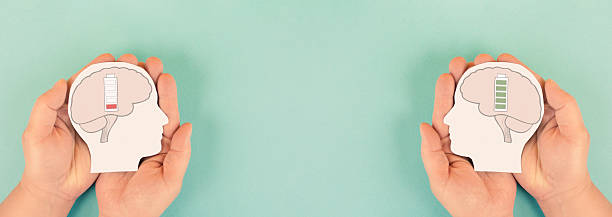
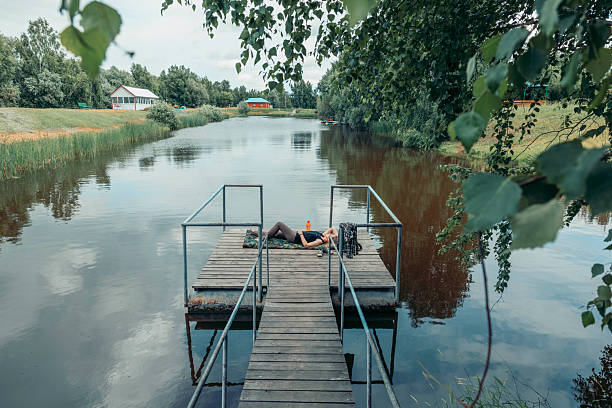

Mental resource is not a buzzword—it is the usable energy behind attention, emotional flexibility, and decision-making.
Researchers often describe mental resource as a pool of cognitive and emotional capacity. When you sleep poorly, multitask constantly, or skip breaks, that pool drains faster than it refills. You might notice irritability, scattered thinking, or trouble finishing tasks you normally handle with ease. The good news: unlike a fixed trait, mental resource responds to daily inputs—nutrition, social support, physical activity, and intentional downtime all influence how full the pool feels by evening.
On this site we describe mental resource as something you can steward, similar to soil in a garden. Compaction happens under pressure; aeration comes from rest, novelty, and boundaries. Naming what depletes you—endless notifications, unclear priorities, or back-to-back meetings—is the first step toward a plan that actually fits your life. From there you choose replenishment tools that match your schedule, not someone else's ideal week.
Restoration is the deliberate act of returning capacity you have spent. Without it, everyday stressors can pile up and enjoyable activities may feel like obligations. Published occupational-health research often associates brief recovery breaks during the workday with improved afternoon focus and lower reported tension for some workers—breaks interrupt the drain cycle so your nervous system can downshift. Individual results vary; our articles summarise general findings, not personal promises.
Personal recovery plans work best when they are specific: ten minutes of daylight before email, a walking call instead of another video meeting, or a fixed wind-down ritual that signals "work mode off." The eco-minded angle we take emphasizes low-friction habits tied to nature—park benches, houseplants, open windows—because sensory green cues are associated in environmental psychology with calmer autonomic responses. You are not trying to overhaul your personality; you are scheduling refills the way you would water plants before they wilt.

Mix and match evidence-informed practices—none require extreme lifestyle overhauls.
Consistent wake times stabilize circadian rhythm more than perfect bedtimes alone. Dim screens sixty minutes before sleep, keep the room cool, and use a short gratitude note to park tomorrow's worries on paper instead of in your head.
Five-minute walks between tasks increase blood flow and break rumination loops. Pair movement with daylight when possible; even cloudy skies provide lux levels that support alertness.
One genuine check-in beats passive scrolling. Schedule a weekly voice call with someone who listens without fixing—social replenishment is a documented buffer against emotional drain.
Layer these approaches across a week rather than stacking them on a single "self-care Sunday." Recovery is cumulative: Tuesday's walk and Thursday's earlier bedtime matter as much as weekend plans. Track what you actually did, not what you idealized, and adjust every two weeks based on energy patterns you observe.
Meditation, in everyday terms, is practiced attention: you choose an anchor—breath, sound, body sensation—and notice when the mind wanders, then gently return. That return can strengthen meta-awareness—the ability to notice stress patterns earlier. Some published mindfulness studies report modest changes in self-reported stress and attention for participants who practise regularly; benefits tend to relate to consistency rather than very long single sessions. We share this as general education, not a promise of specific outcomes for you.
For mental resource specifically, meditation acts like a pause button between stimulus and reaction. Instead of firing off a sharp email, you might notice tight shoulders and take three breaths. Over time, those pauses preserve emotional bandwidth for situations that truly need it. Beginners can start with five minutes using guided audio, or try walking meditation in a park loop where each step syncs with inhale-exhale. The format matters less than the regularity.
Gendered plans here mean tailored examples, not rigid rules—adapt freely to your body, work, and caregiving load.
Plans should feel breathable: if you miss a day, resume the next anchor habit instead of restarting from zero.
Use these guidelines to keep your self-directed plan safe and realistic.
These materials describe general lifestyle education for New Zealand readers. They do not diagnose, treat, or prevent any condition. Combine community resources—employee assistance programmes, community centres, registered counsellors, or your GP—when stress exceeds what self-guided habits can reasonably address.
Join live and virtual gatherings focused on sustainable mental resource habits.
| Date | Event | Format | Action |
|---|---|---|---|
| Jun 12, 2026 | Green Break Design Lab | Online workshop | Register via Contact |
| Jul 3, 2026 | Morning Walk & Breath Series | Outdoor, Whangārei | Request details |
| Aug 9, 2026 | Restoration Planning Clinic | Hybrid | Save a seat |
| Sep 21, 2026 | Eco Mindfulness Afternoon | Online | Join waitlist |
Willpower is effortful control in the moment; mental resource is the broader pool that effort draws from. When the pool is low, willpower feels unreliable. Restoration habits refill the pool so control costs less.
Some readers notice subtle shifts after a few weeks of consistent anchors—such as clearer afternoons or more regular sleep—while others take longer. Experiences differ widely. These timelines are illustrative only; they are not guarantees. Stop or adjust any habit that feels unhelpful and speak with a registered health practitioner if concerns persist.
No. Five daily minutes can build the attention muscle if you practice regularly. Extend duration only when short sessions feel easy and you want more depth.
Absolutely. The examples highlight different scheduling constraints, not biological limits. Mix blocks that fit your responsibilities and preferences.
We publish from Whangārei and follow New Zealand privacy and consumer law. Our role is lifestyle education—helping you explore habits—not clinical care.